Layering winter workwear the right way can be the difference between a productive day on a Vermont jobsite and heading home early with frozen fingers and soaked socks. For contractors, farmers, and municipal crews around Johnson, staying warm is not about piling on bulky gear; it is about choosing smart layers that trap heat, manage moisture, and stand up to real work.?
Start With the Right Base Layer
The base layer is your foundation, and its main job is to pull sweat away from your skin so you stay dry instead of chilled. Look for moisture-wicking synthetic or merino wool tops and bottoms rather than cotton, which soaks up sweat and stays wet in the cold.?
On the jobsite, a good base layer should fit close to the body without restricting movement, so you can swing a hammer, run equipment, or climb ladders without feeling bunched up. This is the layer you will wear all day, whether you are outside in the wind or stepping into a heated truck or shop.?
Add Insulating Mid Layers
Once your base is dialed in, the mid layer is where the real warmth comes from. Think fleece jackets, quilt-lined shirts, and insulated hoodies that trap warm air but still breathe so you do not overheat when you are hustling.?
Crews working in and around Johnson often like options they can zip or unbutton easily as conditions change throughout the day. For example, an insulated flannel or sherpa-lined shirt jacket can be thrown on for early-morning set-up and then taken off when the sun finally does its job.?
Seal It In With a Tough Outer Layer
The outer layer is what takes the beating from snow, wind, sleet, and freezing rain. For Vermont jobsites, look for work jackets and bibs that combine durable shells with insulation, wind resistance, and water repellency.?
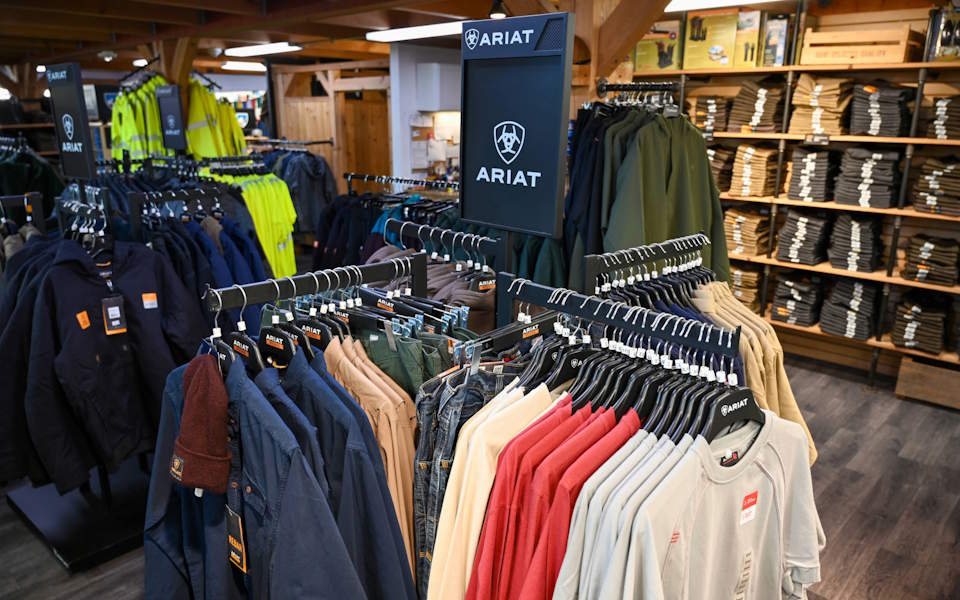
Hi-vis shells and insulated safety parkas are especially important for road crews and municipal workers who need to be clearly seen in low light and blowing snow. A good outer layer should have room for your mid layer underneath without feeling sloppy, and it should allow a full range of motion for lifting, bending, and climbing.?
Do Not Forget Legs, Hands, and Head
Upper body layering gets most of the attention, but your legs, hands, and head are where heat is lost fast. Insulated or lined work pants and bibs help keep your legs warm when you are on ladders, kneeling in snow, or standing on frozen ground all day.?
Pair those with insulated, waterproof work gloves that still allow you to handle tools and fasteners, plus a warm beanie or balaclava that fits comfortably under a hard hat or hood. When conditions are especially harsh, neck gaiters and thermal socks rated for sub-zero temps are worth every penny.?
Build Your Winter Workwear System in Johnson
Layering for real Vermont jobsite conditions is not one-size-fits-all; the best system depends on how hard you are working and how much time you spend in the elements. Stopping in person lets you feel the weight of jackets, compare insulation levels, and figure out what combination works best for your trade and schedule.?
From base layers and insulated hoodies to hi-vis shells, lined pants, and heavy-duty gloves, Johnson Hardware & Rental can outfit you from head to toe for the long Vermont winter. With the right layers, you stay warm, dry, and focused; no matter what the weather throws at your workday.?