
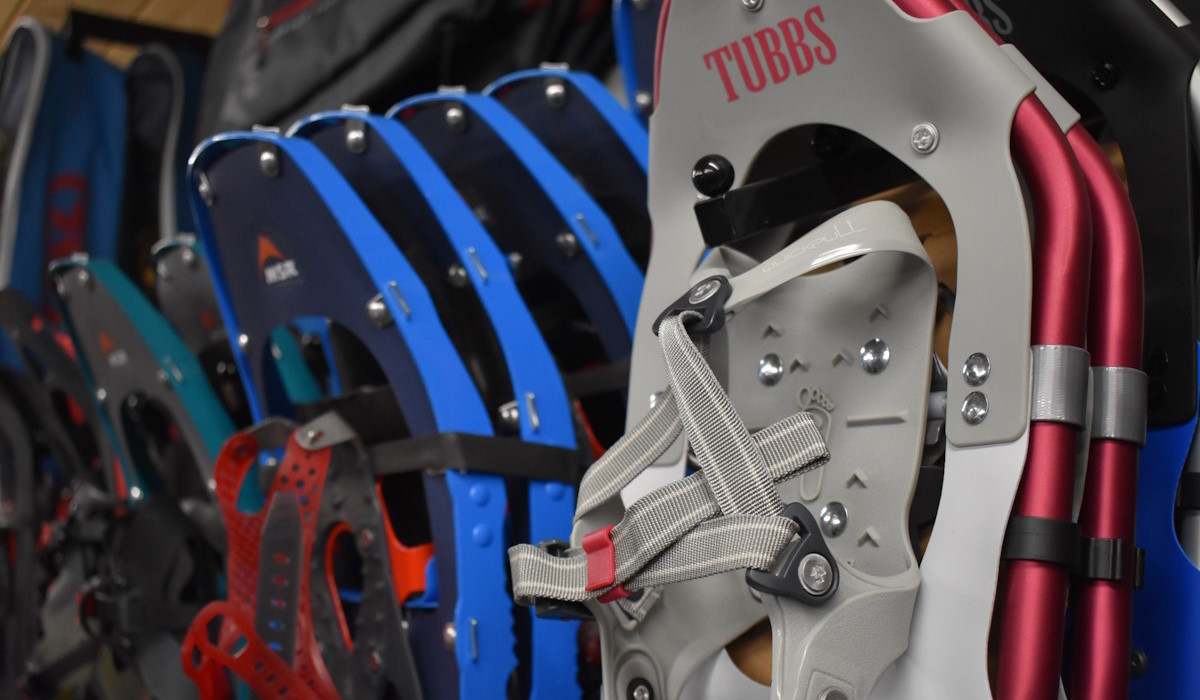
The simple gear checklist for a safer, warmer, way-more-fun winter
Snowshoeing is one of the easiest ways to enjoy a Vermont winter. You don’t need to be an expert hiker, you don’t need fancy skills, and you don’t need perfect weather. You just need the right basics so you stay warm, steady on your feet, and prepared if conditions change.
At Johnson Hardware & Rental, our Trekking & Snowshoeing department is built for exactly that: helping Vermonters explore all year long with practical, dependable gear.
What makes Vermont snowshoeing different
Vermont trails can go from packed and icy to soft and deep in the same day, sometimes on the same route. That’s why your gear should cover two realities:
-
Deep snow: snowshoes keep you from sinking and postholing
-
Icy, packed sections: traction devices like crampons (or spikes) help prevent slips
The beginner snowshoeing gear checklist
Everything below is on our Trekking & Snowshoeing page, and it’s the core setup we recommend for most Vermont outings.
1) Snowshoes
Snowshoes are your main tool for deep snow and less-travelled routes. They make winter walks more accessible and far less exhausting.
Beginner tip: If you’re sinking a lot, you’re working too hard; snowshoes help you float and keep your pace steady.
2) Hiking shoes and boots
Your footwear is your foundation. Waterproof, warm, and supportive boots make everything else work better.
3) Trekking poles
Poles make a big difference for balance, especially on uneven, rolling terrain or when you hit icy patches.
Beginner tip: Winter poles often work best with larger baskets so they don’t sink too deeply into soft snow.
4) Crampons
Even if you plan to snowshoe, Vermont trails can hide ice under a dusting of snow, especially in shade or on popular routes. Traction is a safety essential.
5) Gaiters
Gaiters are the underrated hero of winter. They help keep snow out of your boots and keep your lower legs warmer and drier.
6) Hiking packs
A small pack lets you carry the essentials without stuffing pockets or holding gear in your hands.
7) Hydration solutions
Yes, you still need water in winter. Cold air and exertion can dry you out faster than you think, even when you don’t feel sweaty.
8) First aid kits
A simple kit is peace of mind. It doesn’t need to be huge; it just needs to be there.
What to wear for snowshoeing in Vermont
Think “layers,” not one heavy coat. A good system helps you adjust when you warm up on climbs or cool down when you stop.
A simple layer plan:
-
Base layer: helps manage moisture
-
Mid layer: adds warmth
-
Shell layer: blocks wind and wet snow
-
Extras in your pack: an additional warm layer and dry socks can be a trip-saver
(And if you’re snowshoeing with kids, pack an extra layer anyway. Vermont winter finds a way.)
Pick the right route for your first few outings
Snowshoeing can be mellow or intense. Start with something forgiving:
-
Wider, well-travelled trails
-
Lower elevation routes
-
Short loops where you can turn around easily if the weather changes
As you build confidence, you can expand into longer treks and more remote trails. The Green Mountain Club has winter hiking guidance and tips that are especially useful in Vermont conditions.
A quick safety note (worth reading)
Vermont rescues do happen, and they often involve people who are underprepared for changing conditions. Staying conservative with route choice and carrying basic gear makes a real difference.
Need help choosing gear? We’ve got you.
If you’re new to snowshoeing, the easiest move is to stop in and tell us what kind of outing you want: short walks, packed trails, deeper snow adventures, we’ll help you get matched with the right setup.